A Clinic for the Zuleta Condors
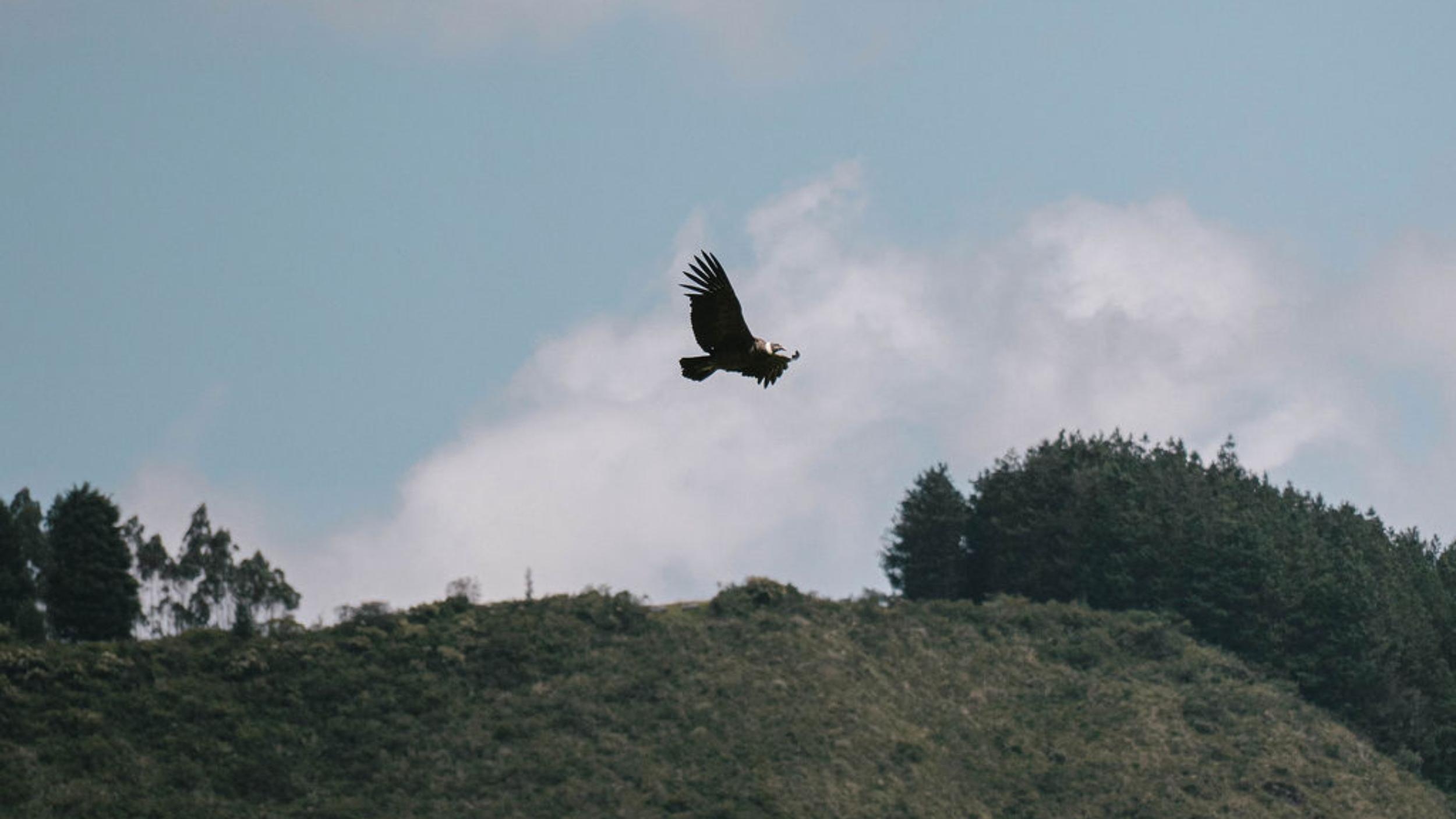
In the mid-1990s, two German biologists, Friedmann and Heide Köster, found themselves with a problem: two injured Andean condors in need of long-term care, and almost nowhere in Ecuador equipped to house them. With help from Fernando Polanco, the search led them to Zuleta, a landscape with enough space and isolation to give the birds a chance. A few private donors funded the first enclosures, and what began as a stopgap for two injured birds has, three decades later, become one of Ecuador's most important condor breeding programmes.
The numbers are worth sitting with. Ecuador's entire wild Andean condor population is estimated at under 150 individuals. Every breeding pair matters enormously. Zuleta's Condor Huasi has produced real milestones for the species: Coya and Tarishka became the country's second reproductive pair of condors under human care, and their chick Toa arrived in 2020. \ More recently, Huagcha hatched and was raised successfully by a single parent instead of the usual pair, a first for Ecuador, giving conservationists in Ecuador and abroad new information on how these birds care for their young.
Which makes the current situation slightly absurd: when a condor at Zuleta needs medical attention, the team treats it in the Interpretation Centre, a space built for visitors, not veterinary care. Sterile conditions are hard to maintain, medicines have nowhere proper to be stored, and the team often has to restrict guest access just to carry out a routine check-up. It has worked, because it's had to. But it's not how you look after a species with fewer than 150 individuals left in the wild.
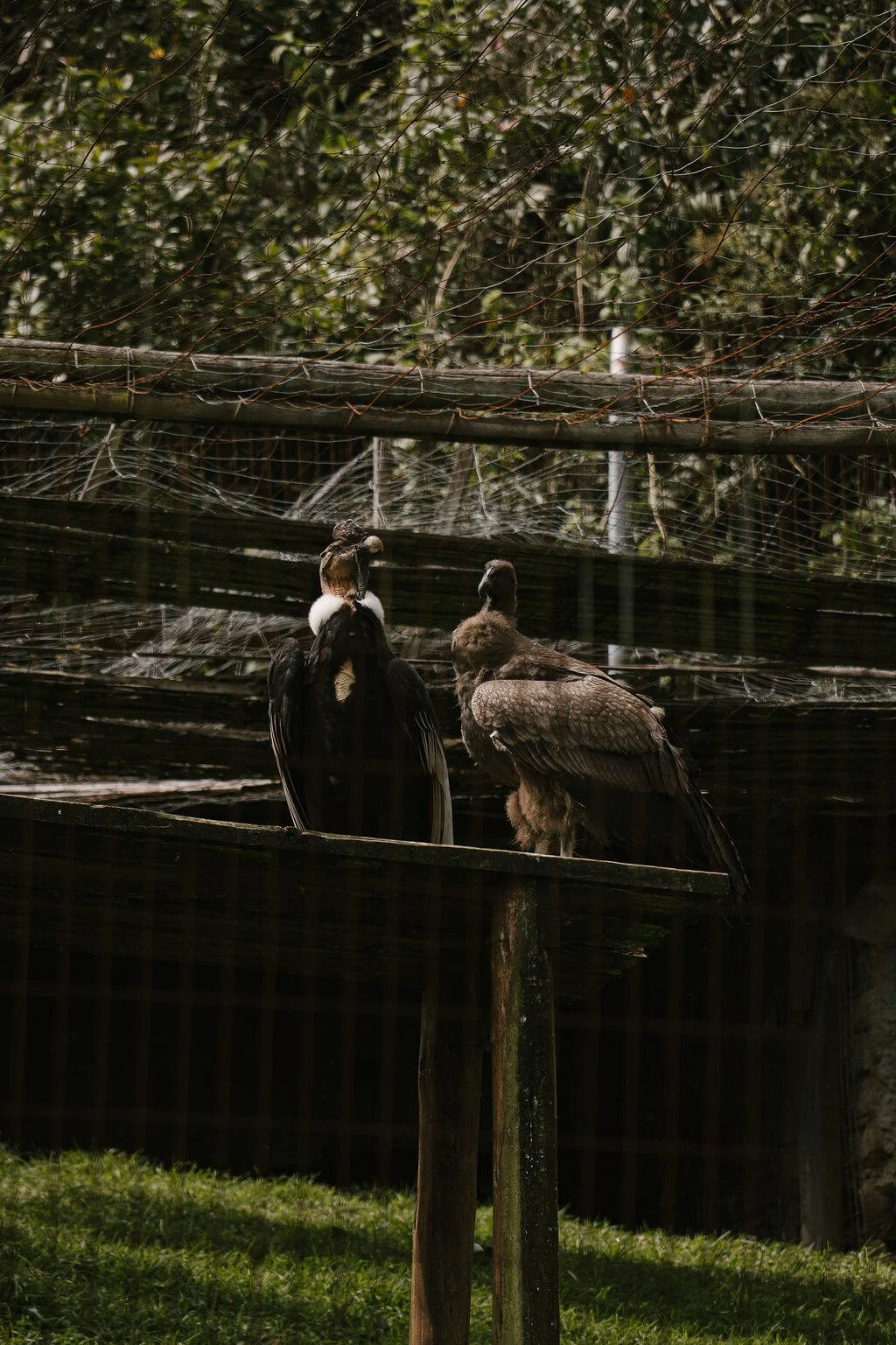
The good news: that's about to change. Thanks to the generosity of a small group of supporters who stepped up to fund it in full, construction on a dedicated Condor Treatment Clinic is now well underway, and the birds will have it ready by October 2026.
Designed by architect Juan Carlos Cisneros, the clinic gives the programme what it's been missing for thirty years: a proper examination room built for condors rather than borrowed from visitors, real biosecurity and sanitation, solar power, and the basic veterinary equipment and medicine storage that, until now, the team has had to improvise around. It’s the infrastructure a serious breeding programme should have.
For guests, it means something too. Walk through the Condor Huasi in the coming months and you'll see a proper clinic sitting alongside the aviaries, showing how Zuleta is constantly trying to grow its positive impact.